How to Choose a Screwdriver Set and Essential Power Tools for Home Repairs in a European Apartment
Generated by AI from the information on this page — check the conditions on the provider site.
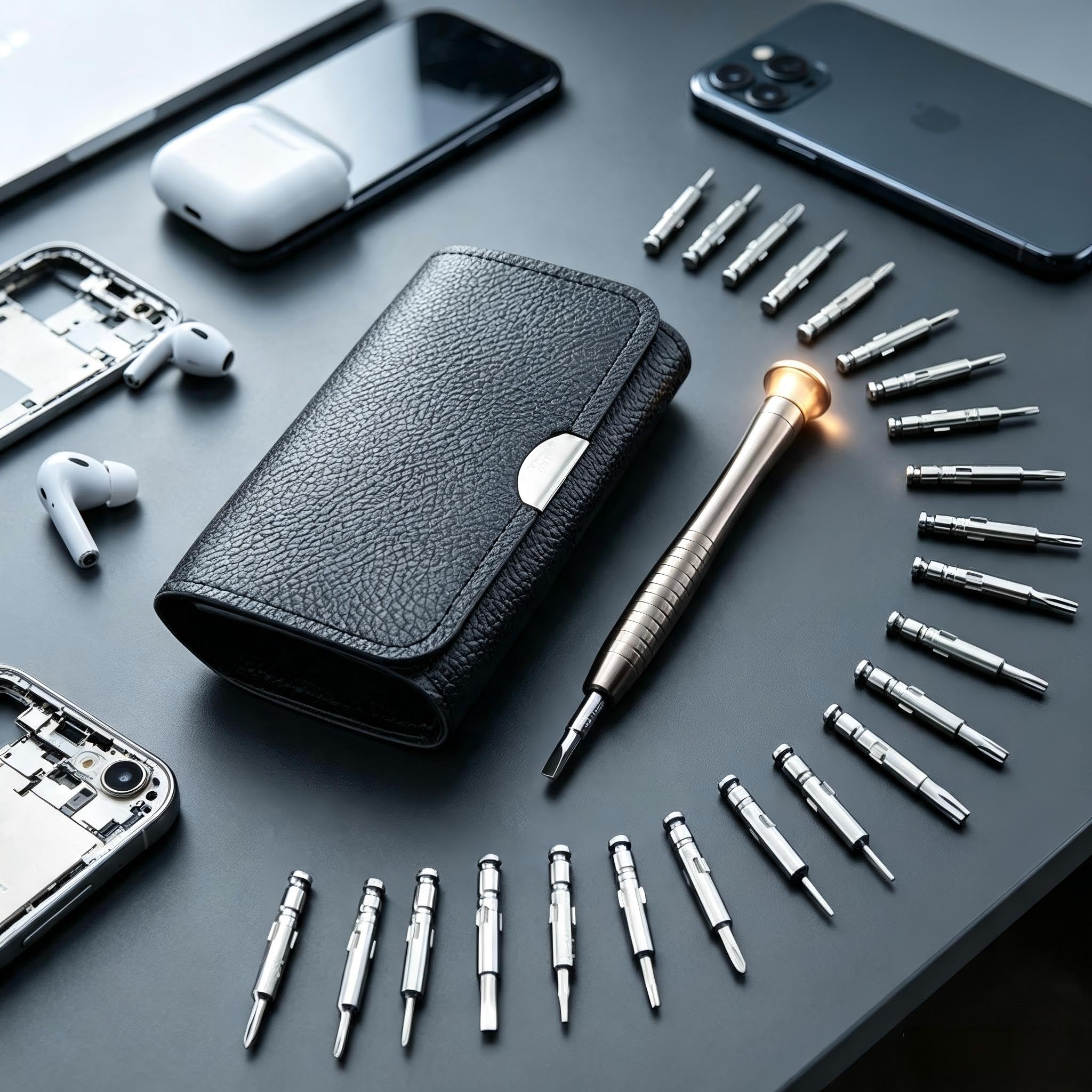
Start by defining what you want to accomplish
Before looking at any product, write a list of the recurring tasks in your home: mounting a shelf or cabinet, assembling furniture, installing a curtain, tightening the screws on a handle or hinge, removing a device cover, or drilling a wall to hang a picture. This list determines the type and size of the set. Someone who only assembles and does light fastening does not need heavy tools, while someone planning to drill walls needs a suitable drill and the right bits.
Screwdrivers: the indispensable foundation
A manual screwdriver is the most frequently used tool in an apartment. When choosing, pay attention to practical points:
• Variety: look for a set that combines flat and Phillips heads as well as the small heads common in electronics and furniture. A varied set saves you from buying individual screwdrivers later.
• Sizes: very small and very large heads are both useful; a set covering a wide range of sizes is more practical than one with a large number of duplicate pieces.
• Handle: a comfortable, non-slip handle is preferable, and one that allows fast spinning for light work is an advantage. Handle quality affects control more than the number of pieces.
• Material: heads made of steel suitable for repeated use are better than cheap heads whose edges wear out quickly. There is no need to know steel types in detail; a solid feel and trying it at the store are enough.
• Storage: a tidy case or pouch protects the heads and makes them easy to find, which matters especially in small apartments.
Electric or cordless screwdriver: when is it worth it?
An electric screwdriver speeds up repeated screwing and unscrewing, but it is not a replacement for a manual screwdriver for delicate work. When considering buying one:
• Decide whether you will really need it; those who do rare repairs may manage with a manual one.
• Look for torque control or a low speed setting, because high speed can damage screws or surfaces.
• Pay attention to the battery type and availability; rechargeable batteries that are available on the market make the tool usable for a long time.
• Check that compatible replacement bits and heads are available, because a tool without enough accessories becomes limited.
Drill: the most important decision
If you intend to mount things on walls, the drill is the central tool. Before buying, check:
• The type of wall in your apartment: concrete, brick and plasterboard walls require different bits. Ask the owner or building management if you are unsure.
• Whether a hammer function is available if you will need to drill hard walls; but it is not necessary for every use.
• Weight and size: a heavy drill is tiring in a small apartment, and a mid-sized tool is often more practical.
• Bits: make sure to buy a set of bits suitable for the materials in your home, and confirm they are compatible with the drill chuck.
• Safety: use eye protection when drilling, and avoid drilling near wires or pipes without checking.
Helpful tools that deserve the space
Alongside screwdrivers and a drill, there are small tools that make a big difference:
• A small hammer and a nail puller or multi-purpose pliers.
• A tape measure and a spirit level to ensure straight installation.
• A set of screws and nails in various sizes, as they prevent work from stopping due to a missing piece.
• Strong adhesive tape and scissors, and small organizing bags.
• Protective gloves and safety glasses.
This list is not entirely mandatory; build it gradually according to your actual needs instead of buying a huge set at once.
Quality and safety criteria
• Read the product description and specifications instead of relying on the image alone.
• Check whether there is a warranty or the possibility of return; policies differ between stores, so review them before buying.
• Remember that power tools need compatible batteries or chargers, and that some stores sell them separately. Check the contents of the box.
• Keep the instructions for use, especially for power tools, and follow the manufacturer's recommendations.
• Do not use a damaged power tool or a frayed cable; safety first.
Shopping in Germany and Europe
The European market offers a wide range of options among specialist stores, general stores and online sales. Prices and offers change constantly, so do not rely on a specific figure from an article; compare between stores and check shipping costs, the return policy and the warranty. When buying online, review buyer ratings and the description of dimensions and materials carefully. In a physical store, try the handle and weight before paying if possible. Seasonal offers can be an opportunity, but they are not a reason to buy tools you will not use.
Common mistakes to avoid
• Buying a very large set with components you will never use.
• Choosing the cheapest tool without checking the quality of the heads or accessories.
• Forgetting bits, batteries or necessary accessories.
• Using a drill or electric screwdriver without eye protection or without confirming where you are drilling.
• Relying on one tool for all jobs; each task has a suitable tool.
A balanced conclusion
A good household set is not the largest or the most expensive, but the one that covers your recurring tasks safely and easily. Start with a varied screwdriver set, add an electric screwdriver or drill only when there is a real need, then complete it with helpful tools gradually. Before any purchase, check the specifications, accessories, return policy and warranty, and compare between stores yourself because prices and offers change. In this way you build a small, practical tool collection that suits a European apartment and serves you for years.
Frequently asked questions
What should I consider when choosing a screwdriver set for an apartment?
Look for a set that combines flat, Phillips and small heads, covers a wide range of sizes without many duplicates, has a comfortable non-slip handle, uses steel heads suitable for repeated use, and comes with a tidy case or pouch for storage.
Do I need an electric screwdriver if I already have a manual one?
An electric screwdriver speeds up repeated screwing and unscrewing but is not a replacement for a manual screwdriver for delicate work. Decide whether you will really need it, and look for torque control or a low speed setting to avoid damaging screws or surfaces.
What should I check before buying a drill?
Check the type of wall in your apartment, since concrete, brick and plasterboard require different bits. Consider whether you need a hammer function, the weight and size of the tool, a suitable set of compatible bits, and always use eye protection when drilling.
Which small tools are worth having alongside screwdrivers and a drill?
A small hammer and nail puller or multi-purpose pliers, a tape measure and spirit level, a set of screws and nails in various sizes, strong adhesive tape and scissors, small organizing bags, protective gloves and safety glasses.
What should I check before buying tools online or in a store in Germany or Europe?
Read the product description and specifications, check the warranty and return policy, confirm whether batteries or chargers are included, and compare shipping costs between stores. When buying online, review buyer ratings and dimension and material details; in a physical store, try the handle and weight if possible.
Which common mistakes should I avoid when buying household tools?
Avoid buying a very large set with components you will never use, choosing the cheapest tool without checking head or accessory quality, forgetting bits, batteries or necessary accessories, working without eye protection, and relying on one tool for all jobs.